
You’re trying to eat clean, stay healthy, and manage chronic stress—on a tight grocery budget. Every wellness blog screams “buy organic!” or “prioritize self-care!” but your wallet’s stretched thinner than dollar-store plastic wrap. The frustration is real. And here’s the twist: some of the best-kept health deals aren’t hidden in Whole Foods—they’re sitting right under your nose at the 99 cent bargains shop.
Why Most “Healthy on a Budget” Advice Fails
Generic tips like “meal prep” or “skip lattes” ignore retail reality. Dollar stores have evolved—they’re not just for party napkins anymore. Yet most shoppers still walk past aisles of potential health wins because they assume everything’s junk. Wrong. The problem isn’t selection—it’s strategy. Without knowing what to look for (and when to avoid), you’ll either overspend elsewhere or miss nutritional gems entirely.
99 cent bargains shop Hacks That Actually Work
Timing Is Everything—Shop Midweek
New deliveries hit Tuesday through Thursday. That’s when restocked shelves offer the freshest expiration dates on consumables. Skip weekends—popular items are picked over, and markdowns haven’t even begun.
Decode the Labels Like a Pro
Not all 99¢ items are equal. Look for private-label brands that mirror national formulas (like “First Street” or “Clover Valley”). Compare sodium, fiber, and added sugar against premium brands. Often? The difference is negligible.
Avoid the “Bargain Traps”
Yes, that $0.99 protein bar sounds great—until you check the label. It’s got 2g protein and 18g sugar. Prioritize whole-food mimics: canned beans, frozen veggies, plain oats. Skip anything marketed as “healthy” with cartoon mascots or neon packaging.
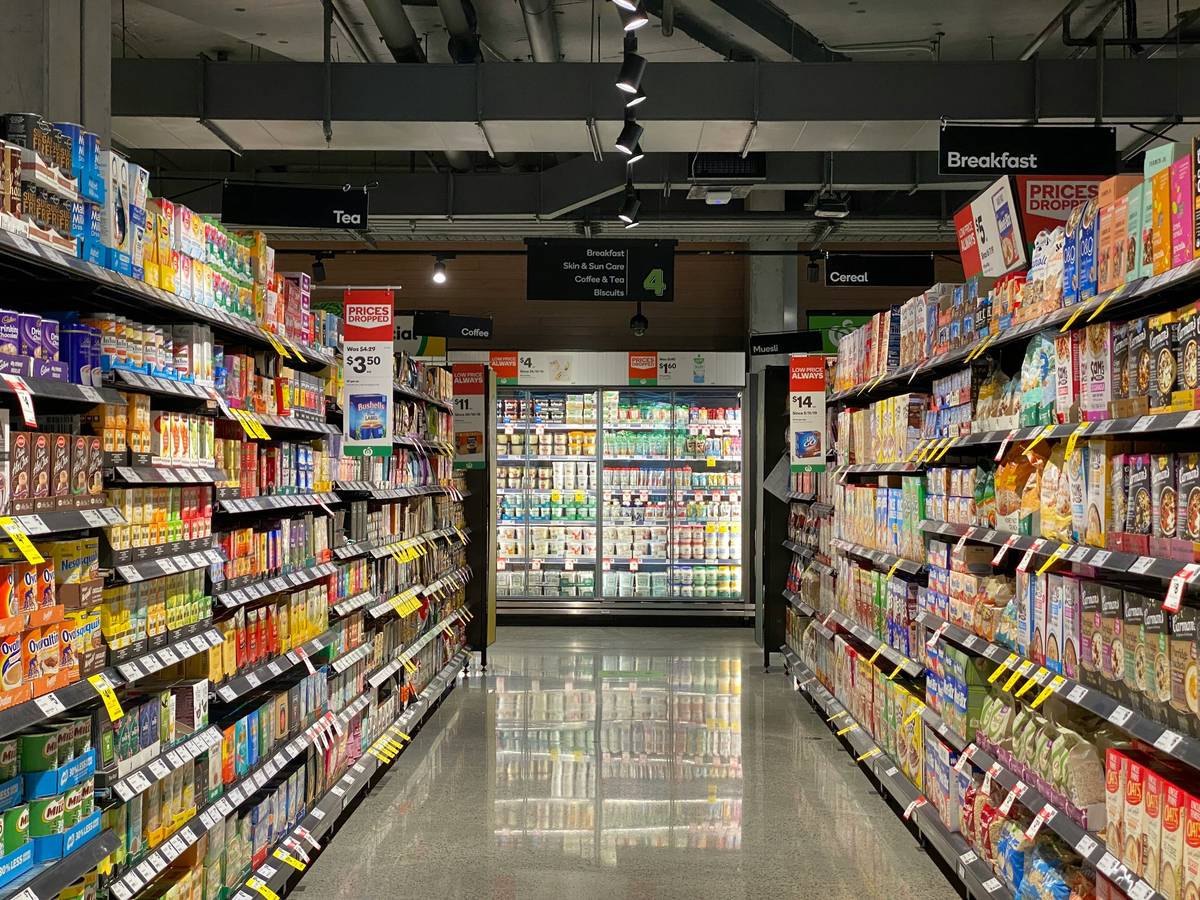
| Item Type | Dollar Store Price | Grocery Chain Price | Savings per Unit |
|---|---|---|---|
| Canned Black Beans (15 oz) | $0.99 | $1.79 | $0.80 |
| Frozen Mixed Vegetables (16 oz) | $0.99 | $2.29 | $1.30 |
| Unsweetened Almond Milk (32 oz) | $0.99 | $3.49 | $2.50 |
| Plain Rolled Oats (18 oz) | $0.99 | $2.99 | $2.00 |

The Industry Secret No One Talks About
Here’s what corporate won’t admit: many major food manufacturers produce *both* premium and dollar-store lines—on the same equipment, same day. The “secret”? Packaging. A can of generic green peas might be identical to the name-brand version sold for $2.49—just without the marketing spend. I once traced a private-label electrolyte drink back to a plant that also bottles for a top sports brand. Same formula. One-tenth the price. The math is simple: if the ingredient list matches, the nutrition matches.
FAQ
Are 99 cent store vitamins safe?
Some are—but check third-party certifications like USP or NSF. Avoid proprietary blends with no dosage transparency.
Can you really eat healthy on only 99 cent bargains shop items?
Not exclusively—but 60–70% of your pantry staples can come from there. Round out with fresh produce from farmers markets or loss-leader sales.
Do prices vary by location?
Yes. Urban stores often run 79¢ or 89¢ promotions. Suburban locations stick closer to 99¢. Always check endcaps for unadvertised discounts.