You’re trying to eat clean, stay active, and manage stress—but your bank account screams every time you walk into a grocery store. Organic this, premium that, subscription wellness boxes… it adds up fast. And yet, you keep hearing “just shop smarter.” Easy to say. Hard to do—until you unlock the real potential of discount retailers like the 99 Cents Only Store. Thrifty store savings aren’t about skimping. They’re about strategy.
Why Typical “Healthy on a Budget” Advice Fails You
Most budget wellness tips assume you have time to meal prep for five hours a week, access to bulk co-ops, or the luxury of comparing unit prices across three apps. Reality? You’re clocking double shifts, chasing kids, or juggling side gigs. And when you finally hit the store, you’re exhausted—not equipped to decode nutrition labels or hunt for hidden gems.
The myth is that cheap equals unhealthy. Wrong. The real issue? Most shoppers don’t know what to buy—or when to buy it—at stores like 99 Cents Only.
Thrifty Store Savings: A Nurse-Backed Action Plan
As someone who’s worked ER shifts and watched patients skip meds because they couldn’t afford groceries, I’ve tested every corner of discount retail for legitimate health wins. Here’s what actually works:
Shop the Perimeter—Even at Discount Chains
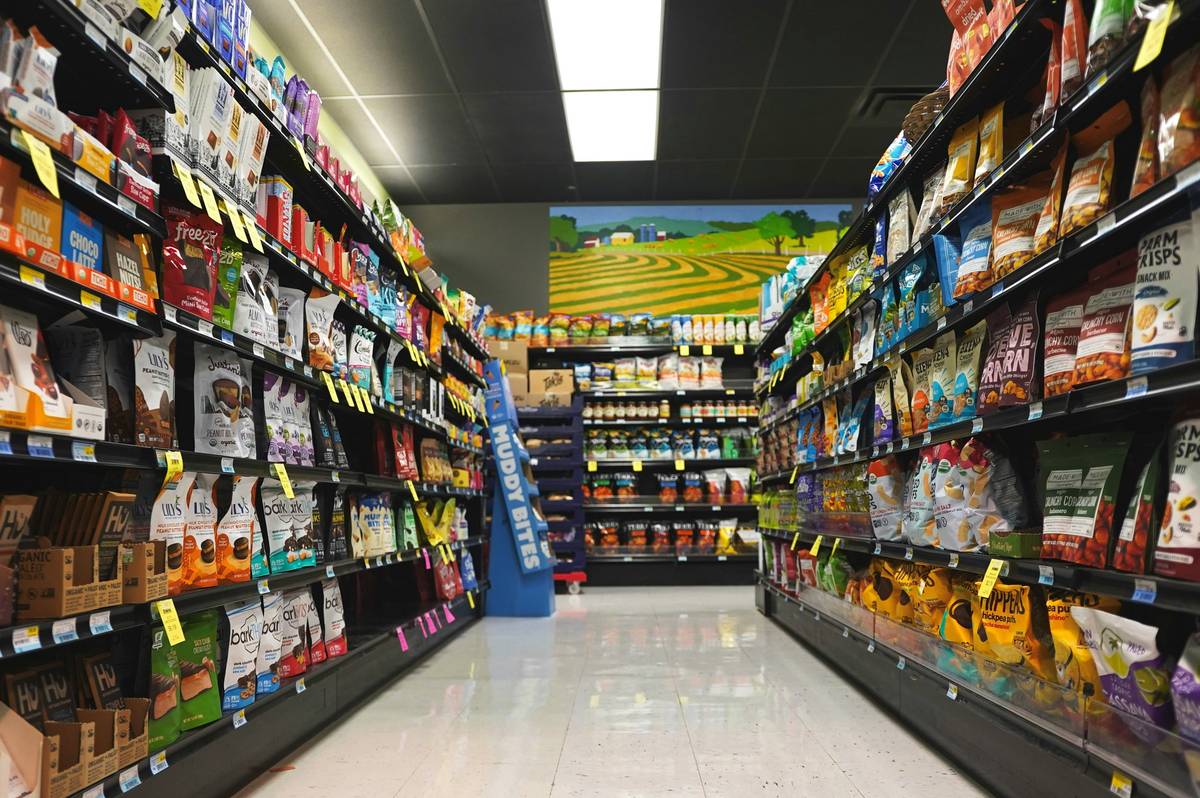
Yes, even at 99 Cents Only, fresh produce, frozen veggies, and dairy often line the edges. Skip the neon-colored snacks in aisle two. Head straight for garlic, onions, carrots, and frozen spinach—all under $1 and packed with nutrients.
Decode Expiration Dates Like a Pro
“Best by” ≠ “bad after.” These are quality guidelines, not safety mandates (except for infant formula). Yogurt, canned beans, and nut butters are often safe weeks past the printed date—if stored properly. Smell and sight check. Save 40–60% on near-expiry items.
Leverage Private Labels for Staples
Store-brand vitamins, Epsom salts, cotton rounds, and even protein bars at 99 Cents Only meet FDA standards. No need to pay 3x for the branded version unless your doctor specifically requires it.
| Item Category | Average Retail Price | 99 Cents Only Price | Potential Monthly Savings |
|---|---|---|---|
| Frozen Mixed Vegetables (16 oz) | $2.49 | $0.99 | $12 (for 8 bags) |
| Epsom Salt (16 oz) | $3.29 | $0.99 | $9.20 |
| Vitamin D3 (60 caps) | $8.99 | $0.99 | $8.00 |
| Canned Black Beans (15 oz) | $1.29 | $0.99 | $6 (for 20 cans) |

The Industry Secret: Clearance Bins Rotate on Payday
Here’s what no one tells you: clearance markdowns at 99 Cents Only Stores often drop the day after local government assistance deposits hit—like SNAP or Social Security. Why? Increased foot traffic means faster inventory turnover, so stores slash prices to move stock. I’ve scored organic lentils, magnesium glycinate, and even collagen peptides for $0.79 by shopping Tuesday afternoons in early months.
And yes—some locations receive overstock from major supplement brands. Unmarked bottles? Same formula. Different label. Half the price.
Frequently Asked Questions
Is it safe to buy vitamins at 99 Cents Only?
Yes—if they’re sealed, not expired, and stored properly. Check for third-party seals like USP or NSF if available, but most store-brand supplements meet basic FDA requirements.
Can you really eat healthy on $1 per item?
Absolutely. Frozen veggies, canned fish, dried lentils, oats, and eggs (when available) form a nutrient-dense base. Pair with smart planning—like batch-cooking Sundays—to stretch further.
Do 99 Cents Only Stores accept coupons or SNAP?
Most locations accept SNAP/EBT for eligible food items—but not supplements or toiletries. Manufacturer coupons are rarely accepted, but their weekly ad deals often beat coupon values anyway.