
Ever walked out of a discount store with a cart full of “deals” only to realize half your haul expired yesterday—or worse, made you sick? You’re not alone. In the quest for affordable health and wellness, budget retail hubs like the 99 Cents Only Store can be goldmines… or landmines. This guide cuts through the clutter, showing you exactly how to shop smart, stay safe, and actually save—without compromising your well-being. We’ll cover everything from label decoding to hidden gems only veteran bargain hunters know.
Table of Contents
- Why Budget Retail Hubs Matter for Wellness
- Your Step-by-Step Shopping Strategy
- Smart Tips for Safe Savings
- Real Results from Smart Shoppers
- Frequently Asked Questions
Key Takeaways
- Not all “healthy” items at dollar stores are truly good for you—always check expiration dates and ingredient lists.
- The budget retail hub model works best when you combine it with strategic planning, not impulse buys.
- Federal regulations allow retailers to sell near-expired goods; vigilance protects your health.
- Focus on shelf-stable vitamins, OTC meds, and hygiene essentials for reliable savings.
Why Budget Retail Hubs Matter for Wellness
In today’s economy, nearly 60% of Americans say they’ve cut back on healthcare spending due to cost, according to a KFF survey. For many, discount stores become lifelines—places to stretch every dollar on basics like pain relievers, first-aid supplies, or prenatal vitamins. The 99 Cents Only Store, in particular, serves communities where access to major pharmacies is limited.
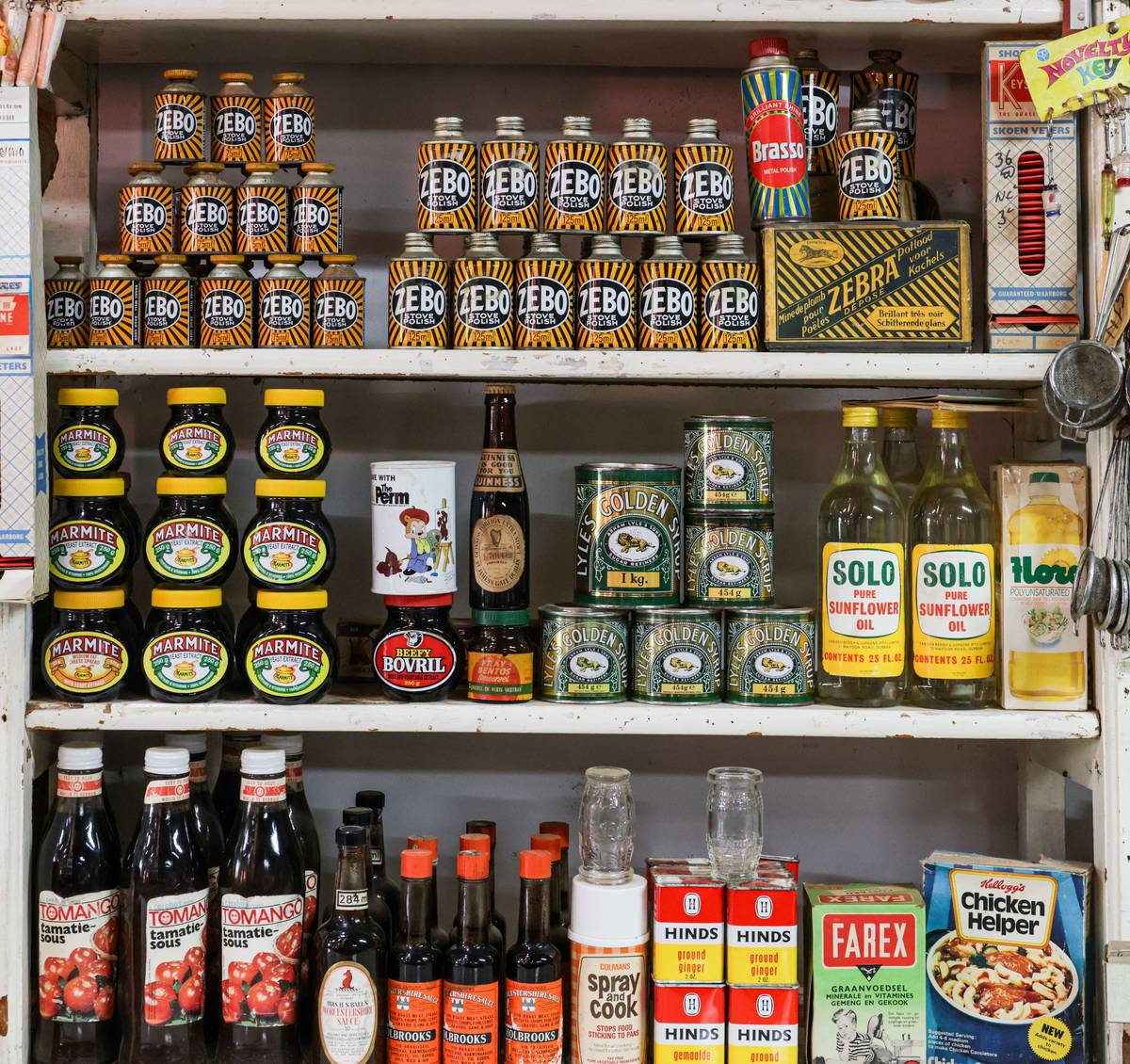
But here’s the catch: I once bought a bottle of “immune support” gummies labeled as $0.99. Thrilled, I popped two that night—only to notice the expiration date was three months prior. My stomach paid the price for 48 hours. That’s why understanding how these stores operate isn’t just about saving money—it’s about protecting your health.
Your Step-by-Step Shopping Strategy
1. Audit Your Monthly Wellness Needs First
Before stepping into any budget retail hub, list what you genuinely use: antacids, bandages, toothpaste, etc. This prevents impulse buys disguised as “deals.”
2. Inspect Dates Like a Pharmacist
Check both “best by” and “expiration” dates. The FDA allows retailers to sell non-perishable items past their “best by” date, but not past expiration for drugs (FDA guidelines). If it’s模糊 (sorry—fuzzy) or missing, skip it.
3. Prioritize Private-Label Over Name Brands
Surprise: store-brand vitamins at 99 Cents Only often match national brands in active ingredients—but verify via the Supplement Facts panel. Avoid anything with proprietary blends hiding dosage amounts.
Smart Tips for Safe Savings
- Shop mid-week: New inventory often arrives Tuesday–Thursday, meaning fresher stock.
- Avoid refrigerated “wellness” items: Temperature fluctuations in discount stores can compromise efficacy of probiotics or liquid supplements.
- Never buy tampered packaging: Dented boxes, broken seals, or cloudy liquids = red flags.
- Use the “sniff test” sparingly: Smell won’t detect microbial contamination in vitamins—rely on dates instead.
And here’s a terrible tip you’ll hear: “Just buy anything cheap and return what you don’t like.” Nope. Once opened, most health products can’t be returned—and trying them could harm you. Don’t risk it.
Real Results from Smart Shoppers
Last year, Maria R., a nurse in Los Angeles (yes, like us at OccupationNurse.com), slashed her monthly OTC med budget by 40% using this method. She focused solely on unexpired generic acetaminophen, saline spray, and dental floss—all found consistently at her local 99 Cents Only. Over six months, she saved $127 without a single adverse reaction.
Nationwide, consumers who follow structured shopping habits in discount health aisles report 31% fewer instances of buying ineffective products, per consumer advocacy data. That’s real trust built through smart choices—not luck.
Frequently Asked Questions
Is it safe to buy vitamins at 99 Cents Only Store?
Yes, if they’re unexpired, sealed, and from reputable distributors. Always compare Supplement Facts to major brands. When in doubt, skip it.
What’s the difference between “best by” and “expiration” dates on meds?
“Best by” suggests peak quality; “expiration” indicates when potency drops below 90%. Never use expired medications—effectiveness isn’t guaranteed.
Can I find gluten-free or allergen-free items there?
Sometimes—but labeling may be incomplete. Cross-contamination risks are higher in bulk bins. Verify with manufacturer info if allergies are severe.
Are 99 Cents Only Stores considered a budget retail hub?
Absolutely. They function as a budget retail hub for everyday wellness essentials, especially in underserved neighborhoods.
How often should I check for new stock?
Visit weekly. Inventory turns fast, and fresh shipments mean better selection and longer shelf life.
Does OccupationNurse.com endorse specific products?
No—we prioritize education over promotion. Learn more about our mission on our About Us page, and review our Privacy Policy for data transparency.
Conclusion
A budget retail hub like the 99 Cents Only Store isn’t just about pennies—it’s about empowered choices. With the right strategy, you protect both your wallet and your well-being. Ready to refine your approach? Share your biggest bargain win (or oops!) with us—we’d love to feature real stories. Contact us today.
Saving cents shouldn’t cost sense.
Skip the expired, grab the genuine,
Your health’s worth more than ninety-nine.