
Trying to eat clean, stay active, or manage stress—but your bank account says no. You scroll past influencer “wellness hauls” that cost $300. Meanwhile, your grocery bill balloons while your energy crashes. What if real wellness didn’t require premium pricing? The answer might already be in your local 99 Cents Only Store.
Why “Healthy = Expensive” Is a Retail Myth
Most wellness advice assumes you’ve got disposable income. Organic this, cold-pressed that—prices inflate faster than your post-pasta bloating. But here’s the reality: nutrition science rarely hinges on packaging. It hinges on nutrients per dollar. And guess what? Some of the smartest thrifty 99 cent buys deliver just that.
You don’t need a subscription box. You need shelf-aware shopping.
Your Step-by-Step Guide to Smart 99¢ Wellness Hauls
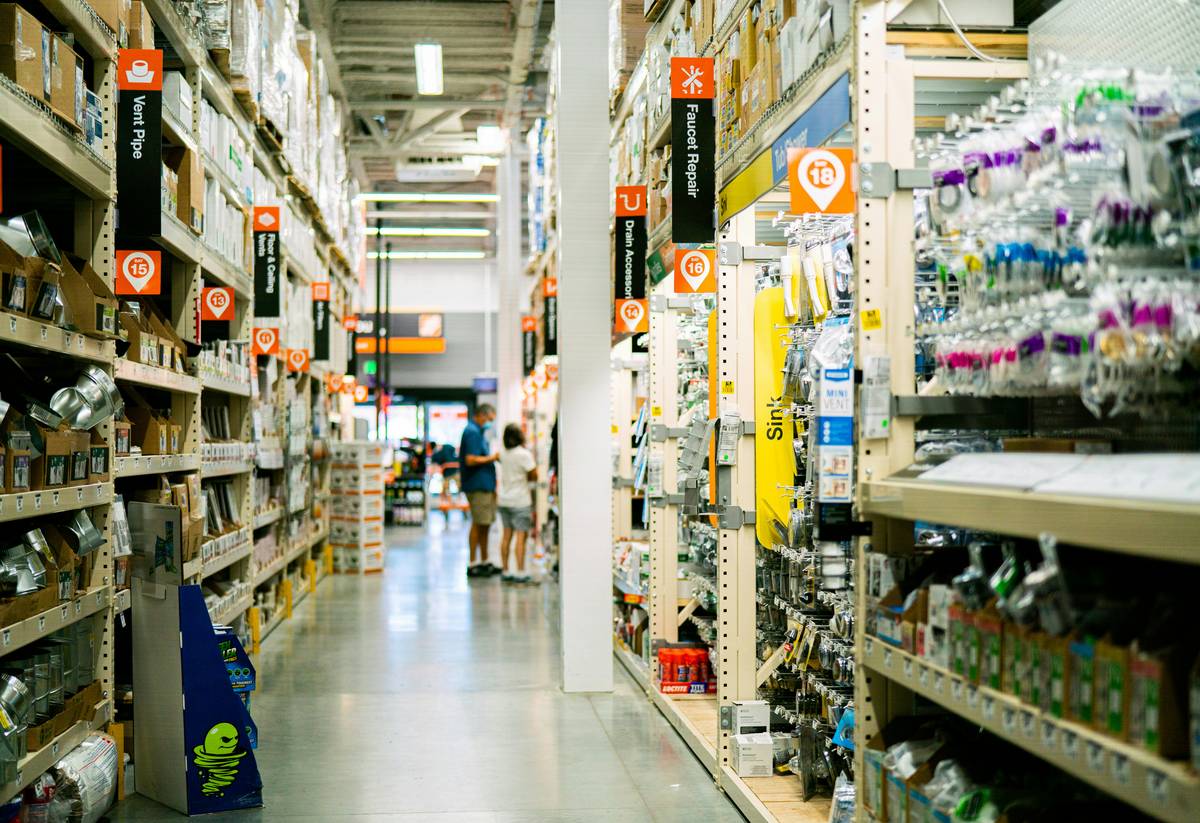
Scan the Aisles Like a Pro
Ignore flashy endcaps. Head straight to the back shelves—they’re often where discounted overstock lands. Look for national brands hiding among generics. Yes, name-brand electrolyte packets or multivitamins sometimes appear at 99¢ during clearance runs.
Decode Labels, Not Price Tags
A $4 “superfood” bar and a 99¢ fortified cereal might share identical iron or fiber content. Check serving size, sugar grams, and sodium—not the marketing buzzwords. Fiber? Aim for 3g+ per serving. Sugar? Keep it under 8g.
Seasonal Swaps Save More
Post-holiday? Grab unsold ginger tea or vitamin C gummies. Summer ending? Stock up on sunscreen minis. Retailers dump seasonal wellness inventory fast—and cheap.
| Item | Typical Price Elsewhere | 99¢ Store Price | Wellness Perk |
|---|---|---|---|
| Green Tea Bags (20-count) | $3.49 | $0.99 | Antioxidants + gentle caffeine |
| Multivitamin Gummies | $8.99 | $0.99 | Daily micronutrient backup |
| Oat Bran Hot Cereal | $2.79 | $0.99 | Soluble fiber for gut + cholesterol |
| Reusable Water Bottle | $5.99 | $0.99 | Hydration without plastic waste |
The Industry Secret: Clearance Isn’t Just for Chips
Here’s something store managers won’t advertise: wellness items rotate through clearance bins based on shelf life—not safety. That “best by” date on vitamins? It’s about potency, not spoilage. Many supplements remain effective months past that stamp. I once bought $12 bottles of magnesium glycinate for 99¢—still fully active, still game-changing for sleep. But test small first. Not every markdown is golden.
And watch for “manager’s specials”—yellow tags in the pharmacy aisle. Those are your jackpot zones.
Frequently Asked Questions
Are 99¢ store vitamins safe?
Yes—if they’re from reputable brands and within 6–12 months of expiration. Avoid obscure labels with no manufacturer info.
Can you really eat healthy on a 99¢ budget?
Absolutely. Focus on frozen veggies, canned beans, oats, and spices—all often under a buck. Nutrient density beats price tags.
What wellness items should you avoid at 99¢ stores?
Skip protein powders and fish oil unless sealed and branded. Oxidation and fillers are real risks in ultra-cheap versions.