You’re trying to eat clean, stay hydrated, and keep your first-aid kit stocked—but your bank account’s gasping for air. Every “affordable” health hack online assumes you’ve got $20 to blow on a single bottle of organic apple cider vinegar. And don’t get me started on those “budget” grocery hauls that magically total $150. Here’s the reality: real wellness on a real budget happens in the fluorescent-lit aisles of places most people overlook—the 99 Cents Only Store. Yes, really. With a sharp eye and zero shame, you can snag legit health wins without selling a kidney.
Why Most “Budget Wellness” Advice Fails You
Conventional wisdom tells you to shop farmers’ markets or bulk bins. Great—if you live near one and have time to cook from scratch every night. But what if you’re a night-shift nurse grabbing dinner at midnight? Or a single parent juggling three jobs?
The truth? Mainstream budget tips ignore two brutal facts: convenience costs, and healthy ≠ expensive only if you know where to look. Big retailers mark up “wellness” products like they’re luxury goods. Meanwhile, dollar stores get dismissed as junk zones—despite quietly stocking FDA-approved OTC meds, electrolyte powders, and even shelf-stable plant-based milks.
Thrifty Budget Picks: Your Step-by-Step Shopping Strategy
Forget wandering aimlessly. This isn’t treasure hunting—it’s tactical sourcing. Focus on four categories: hydration support, basic nutrition, first aid, and pantry staples with hidden health perks.
Hydration That Doesn’t Cost a Fortune
Those $3 electrolyte packets? Skip them. The 99 Cents Only Store often stocks generic-brand oral rehydration salts or vitamin-enhanced waters. Same sodium-potassium balance, one-tenth the price. Check expiration dates—but remember: sealed drinks last months past printed dates if stored properly.
Nutrition Hacks Hiding in Plain Sight
Oats. Canned beans. Tuna pouches. Frozen veggies (yes, they sometimes carry them!). These aren’t glamorous—but they’re nutrient-dense, shelf-stable, and cost less than fast food per serving. One insider trick: compare price per ounce, not package price. A 15-oz can of black beans for $0.99 beats a “sale” 8-oz bag of dried beans at $1.49 any day.
First-Aid & OTC Essentials
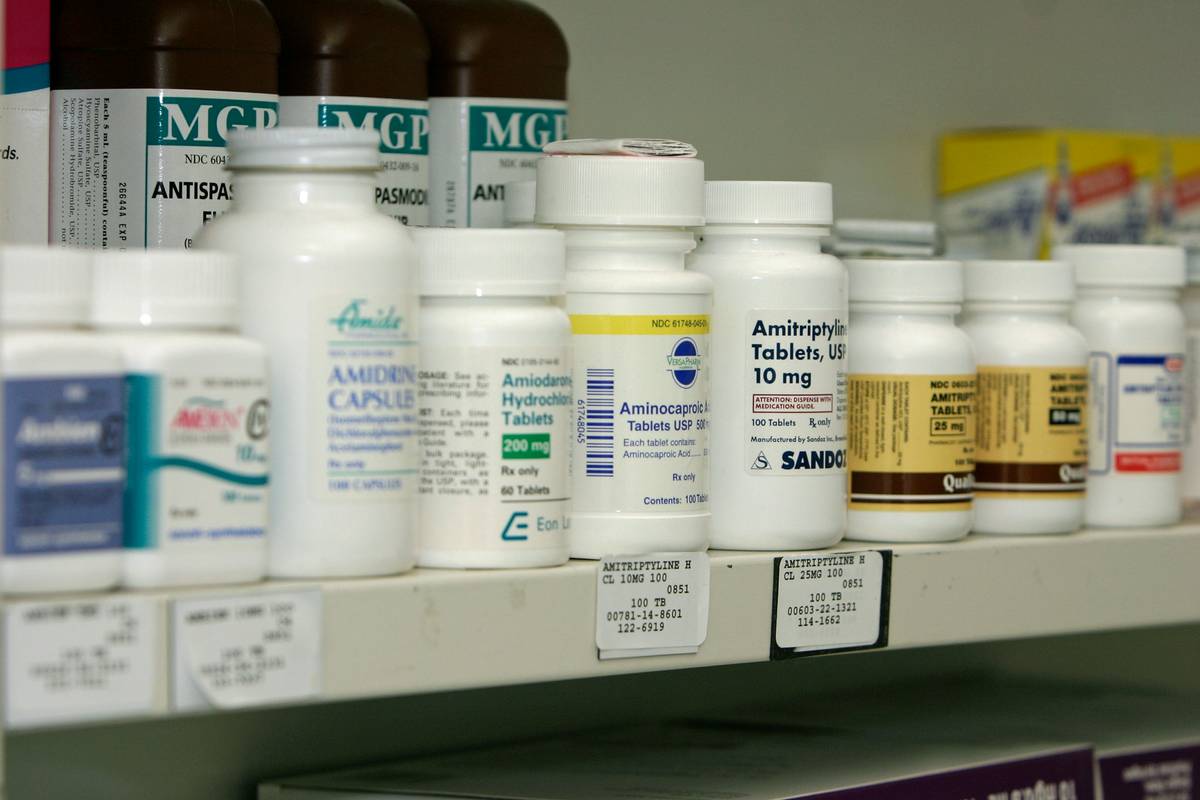
Bandages, antiseptic wipes, pain relievers—you’ll find name-brand and store-brand versions side by side. The active ingredients? Identical. Save the brand name for prescriptions; go generic here. Stock up during cold season when inventory is highest.

| Item Category | Average Price Elsewhere | 99 Cents Only Price | Savings per Month (Est.) |
|---|---|---|---|
| Electrolyte Powder (single serve) | $1.89 | $0.99 | $27 (if used 3x/week) |
| Oats (18 oz) | $2.49 | $0.99 | $20 |
| Generic Ibuprofen (100 tabs) | $5.99 | $0.99 | $60 (annualized) |
| Vitamin C Tablets (60 count) | $4.50 | $0.99 | $42 |
The Industry Secret: Dollar Stores Rotate Health Inventory Weekly
Here’s what no one tells you: 99 Cents Only Stores don’t just sell expired or dented goods. They have direct contracts with major CPG brands looking to offload overstock or test new SKUs. That means you might find limited-run protein bars, collagen-infused waters, or even probiotic gummies—brand new, full shelf life, for $0.99.
But—and this is critical—inventory changes fast. What’s there Tuesday may vanish by Thursday. Build a relationship with the staff. Ask when new shipments arrive (usually early morning). And never assume it’s “all junk” because last week’s visit disappointed. The math is simple: if one out of ten trips nets you a month’s supply of vitamins for under $5, you’re winning.
Frequently Asked Questions
Are 99 Cents Only Store medications safe?
Yes—OTC drugs must meet FDA labeling and safety standards regardless of retail price. Check seals and expiration dates, but active ingredients match national brands.
Can you really eat healthy shopping only at dollar stores?
Not exclusively—but paired with seasonal produce or bulk grains, their pantry staples fill gaps affordably. Prioritize whole foods over processed “diet” items.
Do they accept coupons or have loyalty programs?
Rarely. Their model is ultra-low margin. Your best “discount” is timing visits after restocks and buying multiples when deals appear.